
in the Caribbean, Mexico & Beyond
Caribbean Seasons Offer 4 Types of Vacation
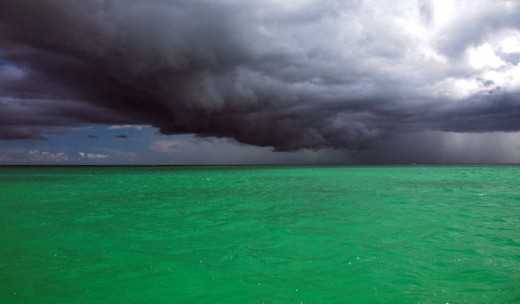 |
| Storms are more common in the Caribbean during September and October. Credit: Pixabay license |
The Caribbean has four distinct seasons based on weather like any other place on the planet. Each season offers a different type of vacation experience.
What makes the Caribbean a bit different—and popular with millions of visitors every year—is a combination of warm weather and beautiful island beaches.
What also makes the Caribbean a bit different is the amount of rain that pounds the region during the annual hurricane season.
That season officially begins June 1 and ends Nov. 30. June and November are the least active months for hurricanes and tropical storms. September and October are the most active.
Vacationers may visit each season for different reasons:
- The summer season is a popular time to go for families on break from schools and also for beach lovers who like hot weather.
- Fall is unpopular because of hurricane season. But it attracts bargain vacationers who take advantage of lower hotel and resort rates.
- Winter attracts northerners who want to escape cold and snowy winters. But seawater is sometimes too cool for swimming in many destinations as we found out during multiple visits.
- The spring months have the best combination of warm weather and low risk of rain.
Caribbean Summer Season
Average high temperatures spike above 90 degrees Fahrenheit or 32 Celsius during the summer for several popular destinations including Aruba, Cancun, Cozumel and the Cayman Islands. Other destinations average in the mid to high 80s Fahrenheit or about 30 Celsius.
June 1 is the official beginning of the Caribbean hurricane season, although June historically has few hurricanes or tropical storms. July sees an increase in such activity, and it goes up even more in August. But they aren’t as risky as September and October.
Anyone who wants to vacation in the Caribbean during the summer may want to go in June rather than July or August.
Fall Weather
Clearly the riskiest time to go—and least popular—are the peak months of the Caribbean hurricane season in September and October. Statistics from the Caribbean Tourism Organization show a steep drop in tourism during those months.
September is the low point for Caribbean tourism. That month historically has the highest average rainfall and the most tropical storms and hurricanes.
Bad weather subsides a bit in October. But it still is the second riskiest month of the year for rain and the second most unpopular month for tourism.
Bargain hunters may find that the best way to go is by making last-minute travel plans based on a 10-day weather forecast.
Winter Weather
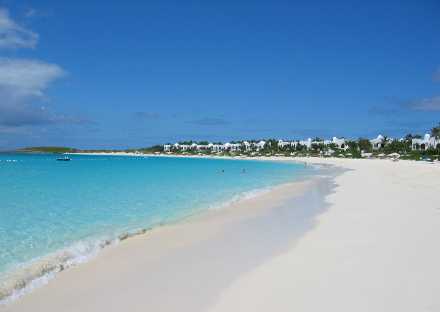 |
| Beaches and seawater are sometimes a bit chilly during the winter, especially in the mornings. Credit: Wikimedia Creative Commons license |
The Caribbean in December begins the dry season for many locations, especially in the western Caribbean.
As a result, western Caribbean cruises zoom in popularity as vacationers flock to the major ports of call in Grand Cayman, Jamaica, Roatan and Cozumel.
December through February is a popular time to travel in the Caribbean for low risk of rain and as an escape from northern winters, but it also has the lowest average temperatures of the year.
Tourism increases during December and March in particular because of winter and spring breaks for many schools.
Destinations in the northern parts of the Caribbean have cooler waters for swimming, but places closer to the equator are usually more comfortable.
Temperatures are moderate for the islands. The Central American countries don’t have the drenching rains that hit later in the year.
Spring Weather
Western Caribbean cruises are popular during the spring because western destinations such as Jamaica, Cozumel and Grand Cayman have a dry season plus warm weather.
Eastern Caribbean islands are more popular during late spring and summer because they reach their ideal temperatures.
March is usually one of the most popular times of the year to visit the Caribbean. Again, it’s popular in part because of spring break from schools.
The average rainfall is low during April, but many locations have a brief rainy season during May.